Comprehensive Plant Metabolite Profiling for Deep Biological Insight
Plant metabolite profiling provides a powerful analytical window into the biochemical status of plant cells, tissues, and whole organisms. By systematically identifying and quantifying small-molecule metabolites, this approach links genotype and phenotype, clarifies how plants respond to environmental stimuli, and supports the discovery of metabolic markers for crop improvement.
Our service integrates LC–MS/MS, GC–MS, and NMR-based technologies to capture a broad spectrum of primary and secondary metabolites. With standardized extraction protocols, high-throughput analytical pipelines, and expert bioinformatics interpretation, we deliver precise, reproducible, and biologically meaningful data for research, breeding, and biotechnology applications.
Whether your focus is stress physiology, metabolic engineering, medicinal plant chemistry, trait evaluation, or functional genomics, our plant metabolite profiling platform provides comprehensive support tailored to your scientific goals.
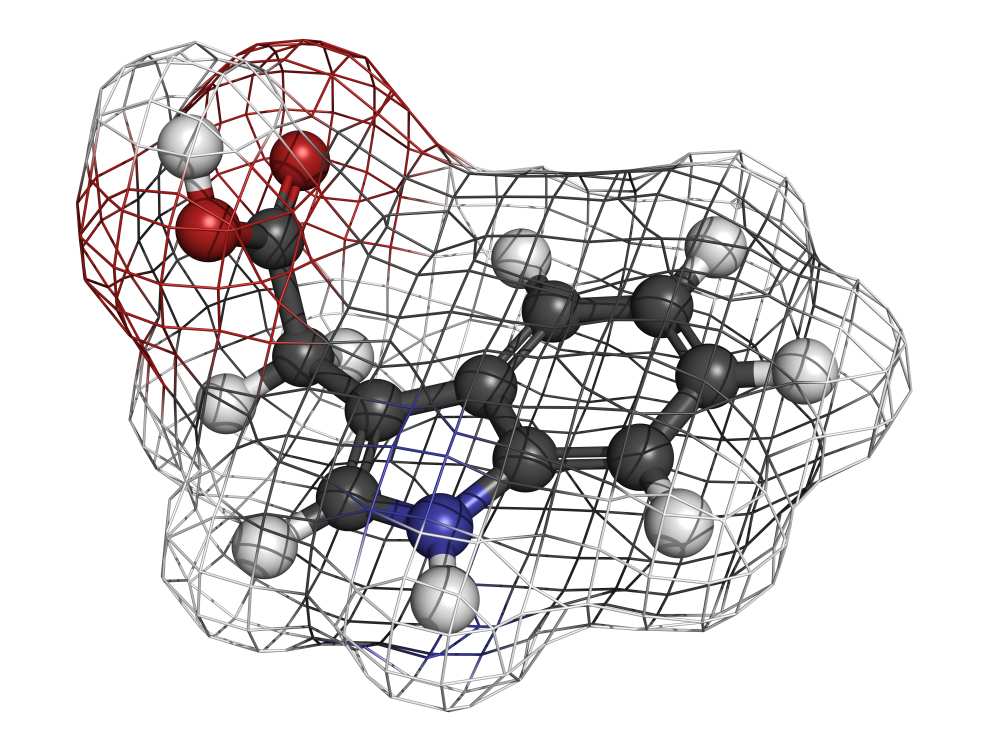
Targeted metabolite profiling focuses on predefined metabolites or metabolite classes, using authentic reference standards for absolute or relative quantification. This approach is ideal for hypothesis-driven studies, metabolic pathway validation, and biomarker quantification.
Untargeted profiling provides a global metabolic snapshot, detecting hundreds to thousands of metabolites without prior selection.
We utilize integrated GC–MS, LC–MS/MS, and multivariate statistical platforms to achieve comprehensive detection of volatile, semi-polar, and non-polar metabolites. High-resolution MS ensures confident compound annotation using extensive spectral libraries such as MassBank, HMDB, Fiehn Library, and in-house plant metabolite databases.

We provide targeted profiling of diverse plant metabolite classes, enabling precise quantification and comparative analysis across species, tissues, and developmental stages.
| Metabolite Category | Representative Compounds | Typical Applications |
| Flavonoids | Flavonols, flavones, flavanones, isoflavones | Plant pigmentation studies, stress signaling, medicinal plant quality assessment |
| Phenolic Compounds | Phenolic acids, tannins, lignin-related phenolics | Defense response profiling, fruit quality evaluation, forage improvement |
| Alkaloids | Terpenoid indole alkaloids, benzylisoquinoline alkaloids | Medicinal plant bioactivity assessment, chemotaxonomy |
| Terpenoids | Monoterpenes, diterpenes, sesquiterpenes | Aroma profiling, plant defense studies, metabolic engineering |
| Anthocyanins | Cyanidin-, delphinidin-, and pelargonidin-based anthocyanins | Pigmentation profiling, abiotic stress evaluation, breeding programs |
| Lipophilic Metabolites | Fatty acids, glycerolipids, sterols | Lipid metabolism studies, seed quality analysis |
| Forage Quality Metabolites | Structural carbohydrates, digestibility-related metabolites | Forage nutritional evaluation, grazing optimization |
| Specialized Stress Metabolites | Glucosinolates, phytoalexins, saponins | Biotic and abiotic stress response research |

Sample Preparation and Metabolite Extraction
Plant tissues are homogenized under cold conditions to preserve metabolites, followed by extraction with optimized solvent systems appropriate to metabolite polarity. Internal standards are included to ensure quantification accuracy.

Derivatization (for GC–MS as needed)
Chemical derivatization converts non-volatile metabolites into volatile, thermostable forms suitable for GC–MS analysis, improving chromatographic performance and detection sensitivity.

Instrumental Analysis (LC–MS/MS, GC–MS, NMR)

Data Processing and Compound Identification
Peak detection, alignment, normalization, and annotation are performed using advanced algorithms and refined spectral libraries.

Statistical Analysis and Biological Interpretation
Includes PCA, PLS-DA, differential metabolite analysis, clustering, pathway enrichment, and integration with transcriptomic or proteomic datasets.
Our standardized workflow ensures high sensitivity, reproducibility, and accurate metabolite identification.
| Category | Requirements |
| Sample Type | Leaves, stems, roots, flowers, fruits, seeds, callus, or plant culture media |
| Sample Amount | 50–200 mg fresh tissue or equivalent dry weight |
| Pre-Treatment | Remove soil or contaminants; avoid chemical preservatives |
| Storage Conditions | Flash-freeze immediately; store at –80 °C |
| Shipping | Ship on dry ice; avoid freeze–thaw cycles |
| Metadata Needed | Species, tissue type, treatment conditions, biological replicates |

Comprehensive Metabolite Coverage
Detection of diverse compounds across polarities, including rare or species-specific metabolites.

High-Resolution Instrumentation
State-of-the-art LC–MS/MS, GC–MS, and NMR ensure precise quantification and confident metabolite identification.

Plant-Specific Expertise
Our team specializes in plant biochemistry, physiology, and omics integration, enabling biologically meaningful interpretation.

Standardized, Reproducible Workflows
Tight QC ensures consistency across replicates, experiments, and plant species.
Ready to advance your plant metabolite profiling research?
Reach out to Lifeasible for expert guidance, a free consultation, and a customized project quote tailored to your analytical needs.
Plant metabolite profiling is the systematic identification and quantification of all small-molecule metabolites (the metabolome) present within a plant or its specific tissue/organism at a given point in time and under specific environmental conditions. Unlike genomics or transcriptomics, which quantify sequences or transcriptional activity, metabolite profiling directly reflects physiological states, environmental interactions, and metabolic pathway activity.
This approach is especially useful for studying phenotypes, because metabolites are the final products of gene expression and enzymatic reactions.
While transcriptomics (RNA-Seq) reveals the potential for gene expression, Metabolite Profiling provides the crucial link to the actual phenotype and physiological reality. Integrating these "omics" levels offers a comprehensive view:
Our Plant Metabolite Profiling services are designed to address critical questions in fundamental biology and agricultural biotechnology:
Metabolite profiling depends heavily on high-resolution analytical instrumentation. The most widely used platforms include:
Each platform provides distinct types of information, and often a combination of LC-MS and GC-MS provides the highest metabolite coverage.
Metabolite profiling focuses on specific metabolite classes, while metabolomics aims to cover the entire metabolome.
Yes. We provide putative annotation using high-resolution MS and confirm structures when possible with MS/MS or NMR.
Depending on instrument methods and plant species, typically 800–2,000+ metabolic features can be detected.
Yes. We specialize in profiling alkaloids, terpenoids, saponins, glycosides, and other medicinal metabolites.
Generally 4–6 weeks, depending on the complexity of the study.
 Download
Enter Your Details for Immediate PDF Access
Get Latest Lifeasible News and Updates Directly to Your Inbox