Follow Us:


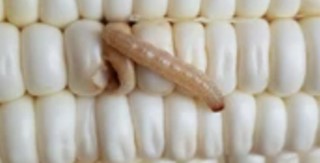
Ostrinia furnacalis is a species of moth in the family Crambidae, the grass moths. The ostrinia furnacalis is second only to maize downy mildew as the most prevalent corn pest, this insect can cause devastating losses in a corn field. There is currently extensive research on eradicating this pest from corn crop in Asia, including the use of biological agents and toxins. The gene editing technology can generate new genotypes or generate genotypes similar to those of other insects. Gene editing technologies, especially CRISPR/Cas9, offer entomologists a new way to control pests and have great potential for application to pest control.
Ostrinia furnacalis damage has become a major obstacle to the development of corn production. Gene editing technology allows editing of specific genes in the larvae of ostrinia furnacalis to enable widespread pest control. Lifeasible provides the service of gene editing for ostrinia furnacalis with CRISPR/Cas9 to reduce the number of ostrinia furnacalis.
| Service Content | Detail |
| Larvae |
|
| Adults |
|
Lifeasible provides CRISPR/Cas9 to edit the gene in ostrinia furnacalis. We use this technology to edit the gene in larvae and adults include the female and male of ostrinia furnacalis with high efficiency and mutate multiple genes simultaneously.
Lifeasible provides gene editing services in ostrinia furnacalis and later services to reduce the number of larvae and increase crop yield. If you are interested in our services, please click online inquiry for more detailed information.
The Asian corn borer (Ostrinia furnacalis), belonging to the family Lepidoptera, Crambidae, feeds on stalks, ears stalks, and rachises with its larvae, which has a wide distribution and a large area of occurrence and seriously affects corn production and quality in corn-producing areas.
Maize is one of the most important food crops for human beings, and it is the first in total production and second in trade among the world's food crops. Maize is not only an important food crop for human survival in the world but also an excellent feed for the development of animal husbandry. Maize in the production process by a variety of biotic and abiotic factors, including the occurrence and prevalence of pests, diseases and weeds is an important factor directly affecting the yield of maize, the Ostrinia furnacalis serious occurrence, can cause a 30% reduction in maize production, or even grain.
Enter your email address here to subscribe to our newsletters and events.