Homology Modeling of Insect Proteins
Insect proteins are generally characterized by small protein size, abundant disulfide bonds, and multiple transmembrane domains, making experimental analysis challenging. Homology modeling can rapidly generate reliable structural models suitable for functional annotation, ligand screening, and resistance analysis.
Lifeasible is at the forefront of the industry in insect research. We offer advanced and reliable insect protein homology modeling services, aiming to provide an efficient computational foundation for insect receptor function analysis, pest control agent design, and studies on pathogenic mutation mechanisms.
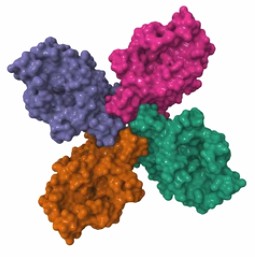
What Can We Offer?
| Sequence analysis and template evaluation |
- Collect target protein sequences and perform family classification and conservation analysis.
- Search the PDB database and screen for homologous templates with a sequence identity of≥30% and a coverage of≥70%.
- Recommend the best single or multi-template combination based on sequence similarity, resolution, and structural integrity.
|
| Homology modelling and model construction |
- Use current mainstream software to achieve automated or semi-automated modelling processes.
- Perform weighted alignment in key information regions (active sites, ligand-binding pockets) to ensure high precision in the functional areas.
- Generate multiple models, including multiple candidate structures for each template, to facilitate subsequent screening.
|
| Model optimization and energy minimization |
- Perform short-range energy relaxation based on molecular dynamics simulations.
- Perform local reconstruction of side chain conformations and main chain dihedral angles to improve geometric rationality.
- For membrane proteins or transmembrane regions, use specialized membrane environment simulation schemes.
|
| Structural validation and quality assessment |
- Structural validation and quality assessment are indispensable parts of homology modeling. Through multi-dimensional, complementary validation methods, we can comprehensively control model quality from the macro to the micro level, from the entire chain to the residue level, ensuring that the constructed model not only complies with biophysical principles but also provides a reliable basis for downstream functional research and drug design.
|
| Customized follow-up services |
- This stage includes molecular docking and virtual screening, mutation design recommendations, model visualization, and report interpretation.
|
Application of Insect Protein Homology Modeling
- Mechanism of action research. This includes revealing the interaction mechanisms between insect toxins, abscisic acid, and receptor proteins, as well as analyzing the binding patterns of compounds such as attractants and pheromones on target protein receptors.
- Pesticide and biological pesticide development. This can be used to screen for high-affinity candidate molecules that inhibit insect digestive enzymes and neurotransmitter enzymes, further optimizing the selectivity and safety of existing small-molecule pesticides.
- Vaccine and antibody design. Can be used to simulate epitopes of insect pathogen envelope proteins, guiding vaccine antigen design, thereby providing structural references for monoclonal antibodies targeting insect pathogens.
- Protein engineering. Based on 3D models, perform key site mutations to modify enzyme substrate specificity and catalytic efficiency, designing more stable and easily expressed insect-derived proteins for industrial or research use.
Insect protein homology modeling service application examples
- Pest green control. Predict the binding sites of cotton bollworm pheromone-binding proteins with novel pheromones to guide the formulation design of microcapsule sustained-release agents.
- Insect nutrition and feed. Modeling, mutating, and validating the expression of black soldier fly antimicrobial peptides to enhance protein stability for use in the alternative protein industry.
Our Testing Process
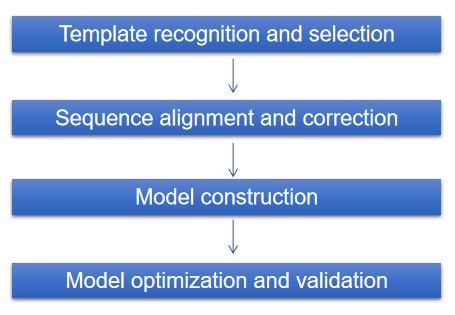 Fig.2 Our experimental process. (Lifeasible)
Why Choose Us?
- Customization and flexibility. We offer everything from lightweight template screening to in-depth molecular dynamics simulations, covering a range of precision and budget requirements.
- Professional team. Our technical team has a dual background in entomology and structural bioinformatics, and is familiar with the protein characteristics of representative species such as Lepidoptera, Coleoptera, and Hymenoptera.
- Powerful insect structure template library. We have integrated hundreds of experimental structures of insect proteins, greatly improving template hit rates.
Lifeasible focuses on insect protein homology modeling services and is committed to providing high-quality structure prediction and analysis services tailored to your project based on your needs, helping you advance your scientific research and product development. If you are interested, please feel free to contact us.
For research or industrial raw materials, not for personal medical use!