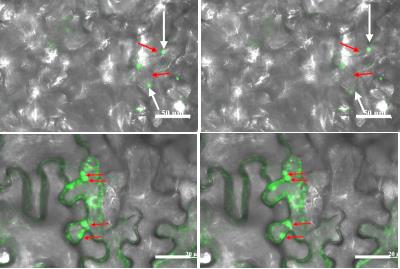
Microbial insecticides are developed earlier, have the largest production volume, and are widely used. Current research and applications of Bacillus thuringiensis and Cyanobacteria are ongoing. Among the bacterial pesticides, the Bacillus thuringiensis preparation is the most representative. This preparation significantly affects the control of pests such as pine caterpillars, potato bugs, vegetable bollworms, cotton bollworms, etc. The protein gene in its composition is the widest insecticidal gene in the world. It can isolate two types of insecticidal protein genes, namely Cyt and Cry.
Lifeasible is committed to bacterial insecticide development research. We play a significant role in promoting microbial insecticides and agriculture's green and healthy development. So far, we have cloned more than one hundred insecticide genes, and they have played a significant role in plant protection in many regions.
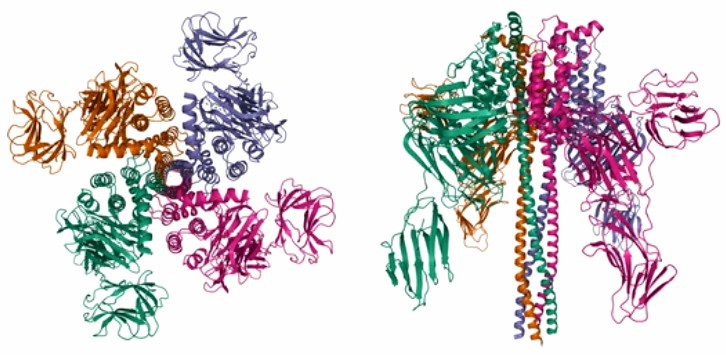
We currently offer the following main types of bacterial insecticides.
Bacillus thuringiensis is an important entomopathogenic bacterium that can produce accompanying spore crystal toxin and has a wide insect host spectrum and is a stomach-toxic insecticide. At present, our research and development in Bacillus thuringiensis is mainly directed to improve the process, improve product quality, and expand the control target while deepening the genetic research of Bacillus thuringiensis. There have been many breakthroughs in the research of Cry, the gene encoding its insecticidal crystal protein. We have constructed efficient Bt engineering strains by using genetic engineering technology and applied them to control a variety of pests in crop production.

Lifeasible aims to provide an effective guiding strategy for developing an innovative generation of highly effective, non-polluting, and safe microbial insecticides. We are currently developing bacterial insecticides that largely reduce the use of chemical pesticides. These insecticides effectively control a wide range of pests on crops such as grain, cotton, fruits, vegetables, and forests. If you are interested in us, please feel free to contact us.
Get Latest Lifeasible News and Updates Directly to Your Inbox