Professional, Customizable Zea mays Transformation Services
Lifeasible is a recognized leader in plant biotechnology, offering a comprehensive and high-efficiency platform for maize transformation service. Zea mays (maize/corn) serves as a critical model organism for plant genetics and genomics research while remaining one of the world's most economically important cereal crops. Our services are designed to overcome the technical barriers associated with maize regeneration, providing academic researchers and the AgBio industry with a streamlined path from gene concept to stable transgenic events.
Leveraging our deep expertise in plant genetic engineering, we provide end-to-end support for a variety of projects, including nutritional biofortification, yield enhancement, herbicide and insect resistance development, and abiotic stress tolerance improvement.
TARGET GENOTYPES
A188, A634, etc.
Wide range of inbred lines and hybrid line
TYPICAL YIELD
15–40
Independent T0 Positive Maize Events
EDITING EFFICIENCY
Up to 85%
High-efficiency gene editing
LEAD TIME
6–9 Months
From vector receipt to T1 seeds
Standard Package
Efficiency Focused
Premium Package
Full-Service Custody
Stable transformation is the bedrock of modern maize improvement, enabling the permanent integration and inheritance of novel genetic traits. At Lifeasible, we have optimized the Agrobacterium-mediated transformation process to ensure high-frequency T-DNA integration with a high proportion of single-copy events.
While Agrobacterium is our primary method due to its clean integration patterns, we also offer biolistic delivery for specialized applications or when working with recalcitrant genotypes that exceed standard T-DNA carrying capacities.

Explant Selection
Isolate immature embryos or shoot tips to induce embryogenic calli.

Infection & Co-cultivation
Precise Agrobacterium inoculation with acetosyringone-enhanced media for optimal co-cultivation.

Stringent Selection
Multi-step antibiotic selection eliminates non-transgenic tissues while maintaining callus vitality.

Regeneration
Optimized hormonal ratios trigger shoot-root development, minimizing somaclonal variation.

Acclimatization
Controlled greenhouse hardening ensures high survival rates of T0 plantlets.
For projects requiring rapid data turnaround, Lifeasible provides high-throughput transient expression systems that bypass the lengthy regeneration phase. These assays allow for the functional validation of gene constructs, promoter strength analysis, or subcellular localization in days rather than months, providing a critical fast-track for preliminary research before committing to stable transformation.

Vector Design & Preparation
Selection of optimized vectors and high-purity plasmid extraction for delivery.

Target Material Isolation
Preparation of high-viability maize protoplasts from etiolated seedlings or leaves.

DNA Delivery
PEG-mediated or biolistic delivery for rapid gene expression.

Incubation & Analysis
Controlled cultivation followed by fluorescence imaging, qPCR, or Western Blotting for quantitative assessment.
Lifeasible employs a diverse and optimized toolkit to overcome the challenges associated with monocot genetic engineering. We offer a selection of transformation methodologies to ensure successful DNA delivery into Zea mays tissues, catering to both stable integration and transient functional analysis requirements.

This is our primary method for generating stable transgenic maize lines. We utilize optimized Agrobacterium tumefaciens strains (e.g., EHA105, AGL-1, LBA4404, C58C1) and standard binary, super-binary, or ternary vector systems to infect immature embryos or shoot tip cultures. This method is preferred for its ability to produce transgenic plants with low copy numbers and stable inheritance.
For maize genotypes that are recalcitrant to Agrobacterium infection, such as specific elite European flint lines, we employ biolistic delivery. This physical method uses high-velocity gold particles coated with DNA to penetrate the cell wall, delivering genetic material directly into the nucleus. It serves as a robust alternative that bypasses biological host-pathogen compatibility barriers.
PEG-mediated transformation is a high-efficiency chemical method used to induce direct DNA uptake into maize protoplasts. This technique serves as an ideal platform for high-throughput CRISPR/Cas9 sgRNA validation, protein subcellular localization, and signaling pathway studies without generating whole plants.
For clonal propagation of transformants or meristem-based transformation bypassing callus phase, we offer shoot tip and multi-shoot culture methods suitable for rapid generation of chimeric-free transgenic lines.
| Category | Requirements |
| Sample Type | Immature embryos (12–14 DAP preferred), shoot tips, multi-shoot cultures, or embryogenic callus of your maize cultivar |
| Sample Amount | Minimum 100–150 immature embryos per construct; or 50–100 mg fresh weight of shoot tip material |
| Pre-Treatment | Ears should be surface sterilized; provide detailed genotype information and growth stage (days after pollination) |
| Storage Conditions | Store embryos at 4°C for short-term (48–72 hours); avoid freezing without cryopreservation protocols |
| Shipping | Ship on ice packs with proper moisture control; include desiccant packets; overnight delivery preferred |
| Metadata Needed | Genotype name (inbred/hybrid), kernel color, known transformation recalcitrance, target gene/construct details, preferred selection markers |
| Vector Information | Complete plasmid construct map, including promoter, gene of interest, selection marker (Basta, Hygromycin, etc.), and reporter genes |
Complement your core transformation projects with our specialized downstream validation and precision engineering solutions to ensure high-quality research outcomes:
Molecular Characterization & Transgene Validation
We provide comprehensive analysis to confirm successful integration and expression, including Southern Blotting for copy number determination and RT-qPCR for transcript level quantification across generations.
CRISPR/Cas9 Off-Target Screening
To ensure the high precision of genome editing, we utilize advanced NGS-based sequencing to identify and analyze potential off-target effects across the entire maize genome.
Custom Vector Design & Construction
Our team specializes in engineering complex T-DNA vectors, including multi-gene stacking, tissue-specific promoters (endosperm-specific, pollen-specific), and codon optimization tailored for Zea mays.
Subcellular Localization & Imaging
We help visualize your target proteins using fluorescent tagging (GFP/YFP/RFP) and high-resolution confocal microscopy to determine precise protein distribution within maize cells.
Phenotypic Stress Tolerance Assays
Evaluate the functional impact of your genetic modifications through controlled screening for resistance to abiotic stresses like drought, heat, and nitrogen deficiency or biotic challenges from fungal pathogens and insect pests.

Strategy & Vector Construction

Explant Induction

Transformation & Selection

Regeneration & Hardening

Molecular Characterization

Seed Harvest
Note: Timelines may vary depending on the genotype and the complexity of the genetic modification.
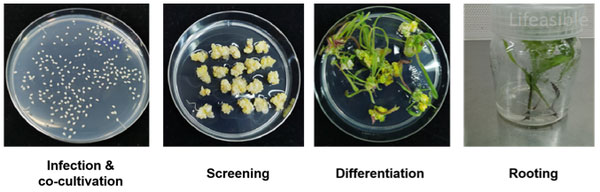
Efficient Maize Transformation for Sweet Protein Production
This project demonstrates highly efficient Agrobacterium-mediated transformation of Zea mays for production of sweet proteins Thaumatin and Brazzein. Using Agrobacterium tumefaciens strain EHA105 carrying codon-optimized expression vectors, we transformed high-quality immature maize embryos through standardized co-cultivation and stringent antibiotic selection. The optimized protocol successfully generated multiple independent transgenic lines exhibiting stable transgene integration and robust protein expression. These results establish maize as a high-capacity bioproduction platform for natural high-intensity sweeteners, with elite transgenic lines advancing to T1 seed production for comprehensive evaluation in downstream agricultural and food industry applications.
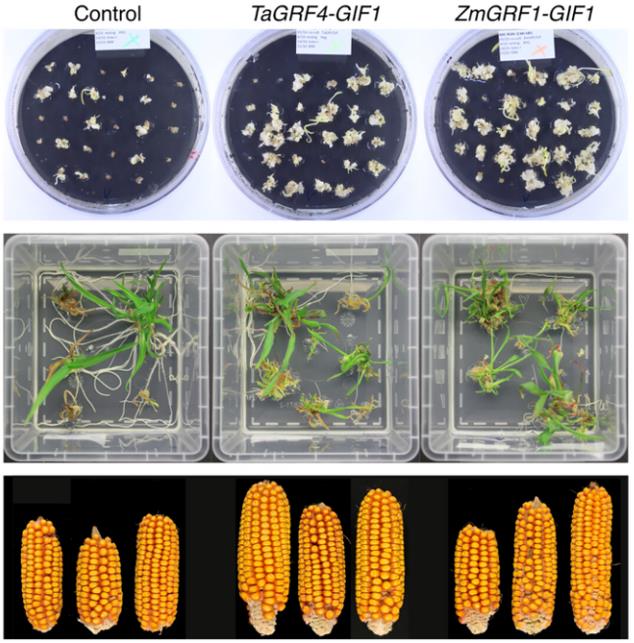
Efficient GRF-GIF Assisted Maize Transformation
This study demonstrates a breakthrough in maize transformation efficiency using a ZmGRF1-GIF1 chimera combined with a pVS1-VIR2 ternary vector system. Unlike morphogenic regulators requiring excision, this fusion protein promotes cell proliferation during regeneration, yielding transformation frequencies up to 32.7% in inbred line B104 without fertility defects. The protocol utilizes hygromycin selection to eliminate escapes and produces characteristic "bushy" regenerating calli that generate multiple independent events per explant.
Molecular analysis confirmed high-quality events with low T-DNA copy numbers and stable inheritance of edits, establishing a robust platform for high-throughput functional genomics and CRISPR applications in elite maize germplasm.
Our commitment to precision and reliability has made Lifeasible a partner for academic and industrial researchers worldwide. Below are representative feedback from recent collaborations:
"Lifeasible's Agrobacterium-mediated protocol for our elite B104 lines yielded 18 independent T0 events with exceptionally clean integration patterns. While we observed slight variations in silencing among high-copy lines, the overall efficiency and their optimization of co-cultivation conditions using specialized media formulations allowed us to advance our drought-tolerance phenotyping ahead of schedule."
Dr. K. Morrison
Associate Professor
USA
"We've processed over 20 constructs through their transient protoplast system for CRISPR guide RNA validation. The 48-hour turnaround allowed us to advance only the most efficient guides to stable transformation, saving months of wasted effort on non-viable targets. Two constructs showed inconsistent results—likely due to promoter compatibility issues—but the remaining candidates proceeded with confirmed editing efficiency."
Dr. E. Richter
Group Leader
Germany
"The GRF-GIF enhanced transformation package delivered homozygous T2 lines in 14 months for our hybrid development program. Southern blot characterization was consistently thorough, and the documentation quality met our regulatory submission standards. I recommend budgeting extra time for seed propagation in elite lines, as our experience averaged 16 months from vector submission to fixed lines."
Dr. A. Bennett
Senior Research Scientist
USA
"Working with recalcitrant European flint lines has always been challenging for our group. Lifeasible developed a modified biolistic approach that generated 8 positive T0 lines where standard Agrobacterium methods had previously failed. The extended R&D phase required additional cost discussion, but transparency in troubleshooting was exceptional. Final lines are now in pre-field trials."
Dr. M. Laurent
Research Director
France
"For routine Hi-II CRISPR knockouts, their standardized package offers excellent value and reliable PCR genotyping. We typically receive 20-25 T0 plants per construct, with editing efficiencies around 70% in our experience—sufficient for our high-throughput screening needs. Their seed propagation services ensured contamination-free T1 generations. Highly recommended for labs without in-house tissue culture facilities."
Dr. S. Anderson
Principal Investigator
UK

Maize-Specific Expertise
Decades of specialized experience in Zea mays transformation, ensuring deep technical knowledge of diverse germplasm from B73 to elite European flint lines and proprietary commercial hybrids.

Genotype Versatility
Proven success in transforming both public inbreds (A188, Mo17, B104) and recalcitrant elite cultivars with customized media formulations.

Technical Precision
Industry-leading editing efficiency utilizing the latest genetic engineering technologies tailored for the maize genome.

Global Compliance
All maize engineering projects are conducted in state-of-the-art facilities that adhere to the strictest international biosafety regulations.
Are you ready to accelerate your maize research?
Our technical experts are available to discuss your project requirements, from vector design to greenhouse management. From CRISPR-based gene editing to stable transgenic line development for field trials, Lifeasible is your trusted partner for every stage of maize genetic engineering.
Maize transformation has evolved from early protoplast and particle bombardment methods, which often produced unstable multi-copy integrations, to highly optimized Agrobacterium-mediated systems that enable precise, low-copy-number insertions. Advances in tissue culture media formulations, binary vector architectures, and morphogenic gene technologies have progressively expanded transformable genotypes beyond model lines to elite commercial germplasm. Contemporary innovations include CRISPR/Cas-based genome editing for targeted modifications without foreign DNA insertion and in planta transformation strategies that bypass tissue culture entirely, accelerating breeding cycles while reducing somaclonal variation risks.
This gold-standard method exploits Agrobacterium tumefaciens T-DNA transfer to produce transgenic plants with low copy numbers and stable inheritance. In maize, optimized infection conditions, strain selection (EHA105, AGL-1, etc.), and genotype-specific media formulations ensure reliable transformation across diverse genetic backgrounds, from standard research lines to proprietary elite germplasm.
Standard inbred lines such as A188, B104, and the hybrid Hi-II demonstrate the highest transformation efficiencies in our hands, typically yielding 20–40 independent T0 events per project due to their robust embryogenic callus formation and exceptional Agrobacterium susceptibility. However, we also support elite commercial inbreds like PHR03 and European flint lines, though these may require specialized media formulations such as high copper and 6-benzylaminopurine supplementation to achieve comparable frequencies. For proprietary or particularly recalcitrant genotypes that exhibit poor tissue culture response, we recommend preliminary feasibility studies involving 50-100 embryo batches to establish baseline transformation frequencies and optimize co-cultivation conditions before committing to full-scale transformation campaigns.
We provide comprehensive molecular characterization to confirm successful transgene integration and expression at multiple levels. Standard deliverables include PCR-based genotyping using primers specific to the transgene and selection marker, ensuring DNA-level confirmation of transformation events. For advanced validation, we offer Southern blot hybridization to determine transgene copy number and integration patterns, which is critical for distinguishing single-copy events from multi-copy insertions that may cause gene silencing or unpredictable expression patterns. Additionally, we perform RT-qPCR for transcript quantification and GUS or GFP reporter assays for visual confirmation of spatial and temporal expression patterns, providing robust documentation packages suitable for peer-reviewed publication or preliminary regulatory submission.
Our standard workflow delivers T0 plantlets approximately 6–7 months from vector receipt, with T1 seeds becoming available 9–11 months post-submission, depending on genotype and greenhouse seasonality. Hi-II and A188 lines often progress faster due to rapid callus proliferation and regeneration capacity, while elite inbreds may require additional months for complete plant recovery. The timeline encompasses vector validation and cloning, explant isolation and callus induction, Agrobacterium co-cultivation and stringent antibiotic selection, plant regeneration and greenhouse hardening, comprehensive molecular characterization, and finally greenhouse cultivation to reproductive maturity for seed production.
We provide comprehensive support bridging greenhouse research to field evaluation. Our services include generating T2 homozygous lines through rigorous self-pollination and molecular screening to ensure genetic uniformity essential for replicated field trials. We conduct preliminary greenhouse phenotyping under controlled stress conditions to establish baseline performance metrics and identify promising events prior to environmental release. Our team manages large-scale seed multiplication with strict identity preservation protocols to prevent genetic drift or cross-contamination during increase generations. We also assist with experimental design, including randomized block layouts, appropriate check varieties, and statistical power analysis to ensure robust data collection across multiple environments and growing seasons, facilitating seamless transition from laboratory breakthrough to agronomic validation.

Creating Fragrant Corn with CRISPR/Cas9 Technology
Agrobacterium tumefaciens-mediated Tobacco Leaf Disk Transformation

Understanding GMOs: A Comprehensive Guide to Genetic Modification in Agriculture

CRISPR-Cas9: A Comprehensive Guide to Genome Editing in Plants
Reference
 Download
Enter Your Details for Immediate PDF Access
Get Latest Lifeasible News and Updates Directly to Your Inbox


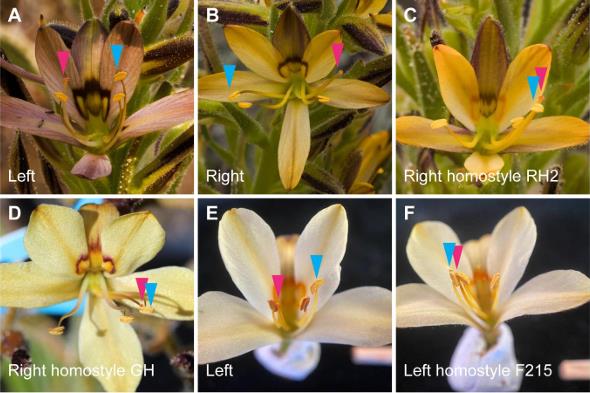
A Supergene for Mirror-Image Flowers in Wachendorfia
July 31, 2026
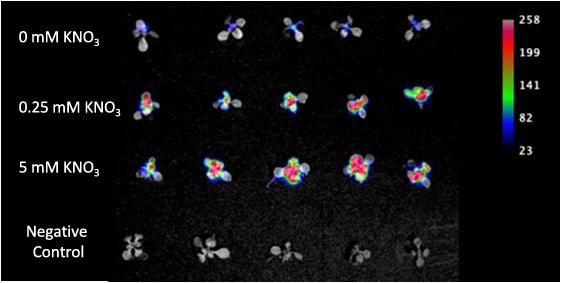
Sentinel Plants Quantify Bioavailable Nitrate
July 24, 2026