Plants have evolved diverse chemical defense mechanisms over long-term evolution to resist insect feeding and pathogen infection. Among these, the glucosinolate (GSL)-myrosinase (MYR) system represents one of the most characteristic defense systems in cruciferous plants. Upon tissue damage caused by insects or pathogens, glucosinolates stored in vacuoles come into contact with myrosinase in the cytoplasm. Enzymatic hydrolysis generates highly bioactive breakdown products such as isothiocyanates, nitriles, and thiocarboxylic acids, exerting toxic, repellent, or growth-inhibiting effects on pests.
In natural conditions, the efficacy of the glucosinolate-myrosinase system varies significantly across plant species and tissues. In certain crops, long-term domestication and breeding have downregulated the expression of defense genes, weakening their insect resistance. Lifeasible leads the industry in plant insect resistance research. Leveraging advanced genetic engineering techniques—including gene editing, exogenous gene introduction, and metabolic pathway reconstruction—we achieve efficient expression and coordinated regulation of thioglucoside synthesis gene clusters and myrosinase genes, thereby substantially enhancing crop resistance to insect pests.
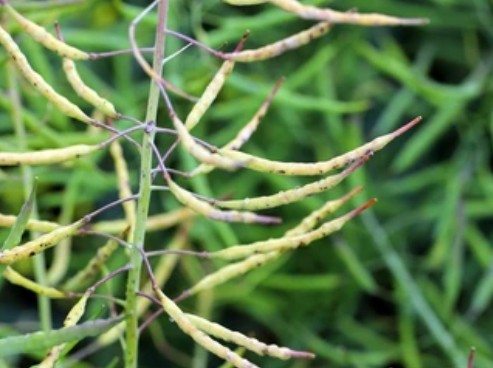
Our services aim to enhance and optimize this natural defense system through advanced genetic engineering technologies, delivering multiple benefits.
We employ bioinformatics approaches to screen and identify key genes regulating crucial glycoside biosynthesis pathways (such as CYP79 and CYP83 family genes) and those governing efficient myrosinase expression from extensive plant germplasm resources.
We customize expression vectors for target plant types and select suitable promoters. Additionally, we construct single-gene or multi-gene co-expression systems to achieve synergistic enhancement of key GSL pathway enzymes and MYR enzymes.
We precisely regulate existing glucosinolate metabolic pathways in crops through gene editing or transgenic technologies. Services include, but are not limited to, enhancing glucosinolate synthesis and directing hydrolytic product orientation—specifically guiding hydrolysis reactions to preferentially generate insecticidally potent isothiocyanates (ITCs) over less active nitrile compounds.
We also employ synthetic biology strategies to reconstruct complete GSL-MYR pathways in non-natural hosts.
We also provide customized application development services, including the creation of dedicated insect-resistant gene modules for specific crops such as rapeseed and corn, tailored to client requirements.
Our technical workflow
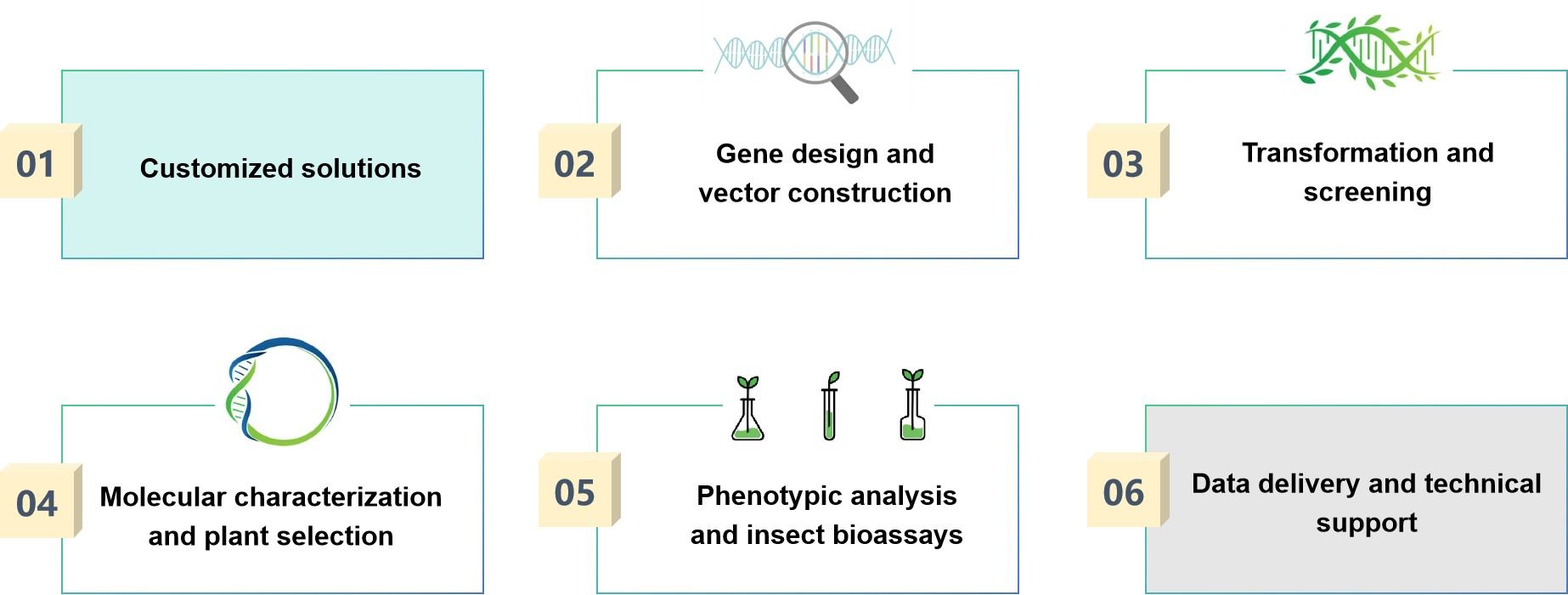 Fig.2 Our service process. (Lifeasible)
Our gene-engineered glucosinolate-myrosinase system enhancement service effectively boosts crops' inherent insect resistance, offering a reliable and powerful tool for sustainable agricultural development. With extensive experience in plant insect resistance research, Lifeasible aims to help scientific and agricultural enterprises achieve breakthroughs in insect-resistant crop development through this innovative service, advancing the future of green agriculture and biosafety production. If you are interested, please feel free to contact us.
Get Latest Lifeasible News and Updates Directly to Your Inbox


The Crucial Role of Enzyme OsPLC4 in Mediating Ferroptosis in Rice
January 15, 2026