Decoding the Chemical Fingerprint of Plant Life
Metabolomics provides direct insights into cellular function through the quantitative analysis of small molecule metabolites in biological systems. In plants, metabolomics is crucial for understanding the genetic regulation of biochemical pathways, stress responses, and phenotypes.
At Lifeasible, we offer comprehensive plant metabolomics analysis services, combining liquid chromatography-tandem mass spectrometry (LC-MS/MS), gas chromatography-mass spectrometry (GC-MS), and nuclear magnetic resonance (NMR) platforms to provide targeted and untargeted metabolomics solutions. Our services are designed to help researchers uncover the metabolic mechanisms underlying plant growth, development, and environmental adaptation, supporting both basic research and crop improvement applications.
Untargeted metabolomics provides an objective overview of the plant metabolome, identifying thousands of metabolites simultaneously. This global approach can reveal dynamic changes in metabolism under different environmental conditions or genetic backgrounds.

Sample Preparation & Extraction
Process plant samples to extract polar and non-polar metabolites.

Instrumental Analysis
Separation and detection using LC-MS/MS or GC-MS.

Data Processing & Peak Alignment
Raw data converted, peaks aligned, and normalized to reduce technical variation.

Metabolite Identification
Detected features are matched against a database.

Statistical & Pathway Analysis
Perform multivariate statistical analysis and metabolic pathway mapping.
Targeted metabolomics focuses on the quantification of specific metabolites within defined pathways, ensuring high precision and reproducibility. By utilizing isotopically labeled internal standards, targeted analysis enables accurate and absolute quantification of metabolites in complex plant matrices.
Our targeted analyses cover a wide range of key plant metabolite classes, including carotenoids, anthocyanidins, phenolic acids, and tannins, which are essential for plant coloration, defense, and antioxidant activity. These compounds not only determine plant physiological traits but also contribute to nutritional and commercial value.
Sample Preparation & Internal Standards
Samples extracted with suitable solvents and spiked with internal standards for quantification.

Chromatographic Separation
Selectively isolate the target compound.

MS Detection & Quantification
Use MRM mode for accurate detection and quantification.

Calibration & Quality Control
Calibration curves and QC samples ensure analytical precision and reproducibility.

Data Analysis & Interpretation
Quantified metabolites compared across samples; results integrated into biological context.
Widely-targeted metabolomics bridges the gap between targeted and untargeted approaches, enabling broad and quantitative coverage of hundreds to thousands of metabolites simultaneously.
This service is particularly well-suited for studying the complex metabolic networks involved in flavonoid biosynthesis, combining precise targeted analysis with large-scale discovery capabilities. We combine MRM technology with advanced LC-MS/MS platforms to provide high-throughput and quantitative profiling across plant developmental stages or environmental treatments.
Sample Extraction
Samples were homogenized to extract polar and non-polar metabolites.

MS Database Construction
Establishment of a large metabolite reference library.

UPLC-MS/MS Analysis
High-throughput detection using UPLC coupled with triple quadrupole MS.
Metabolite Identification & Quantification
Database matching for identification; signal intensity for relative quantification.

Data Interpretation & Biological Insights
Differential metabolites identified and linked to functional pathways for biological significance.
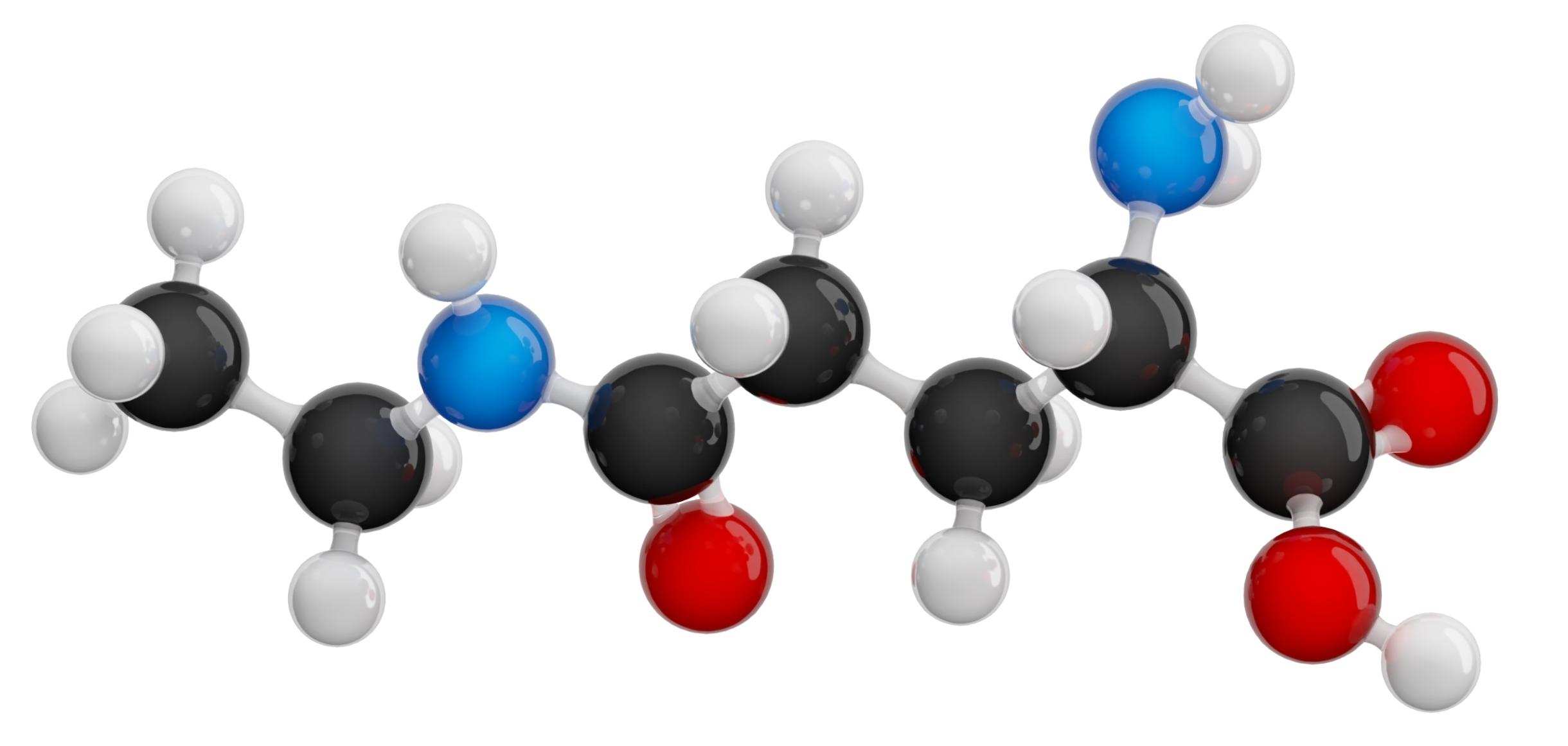
Specific metabolite analysis is crucial for understanding plant membrane dynamics, energy balance, and defense responses. Our specialized metabolite and application analysis encompasses compounds such as anthocyanins, flavonoids, alkaloids, and lipids, enabling targeted research into stress resistance, color expression, and forage quality.
For example, anthocyanin profiling reveals the molecular mechanisms of pigmentation and stress adaptation, while forage metabolomics analysis provides insights into nutritional composition, digestibility, and palatability for livestock improvement.
To provide functional insights beyond metabolite lists, we integrate identified compounds into biological pathways to visualize metabolic fluxes and network connectivity.


Our bioinformatics team provides advanced data processing, normalization, and interpretation services to extract meaningful biological information from complex datasets.

Consulting and Project Design
Determine experimental goals, sample types, and analytical strategy.

Sample Preparation
Extraction and derivatization optimized for plant matrices.

Instrumental Analysis
Metabolite detection using LC-MS, GC-MS, or NMR.

Data Processing and Identification
Peak detection, alignment, normalization, and compound annotation.

Statistics and Pathway Analysis
Multivariate statistics, differential metabolite identification, and biological interpretation.
To ensure reproducibility and efficiency, Lifeasible follows a standardized and customizable workflow designed specifically for plant metabolomics projects.
Lifeasible's metabolomics analysis service utilizes advanced analytical instrumentation to ensure accurate detection and identification of a wide range of plant metabolites—from primary metabolites to specific secondary compounds.
Liquid Chromatography-Mass Spectrometry (LC-MS)
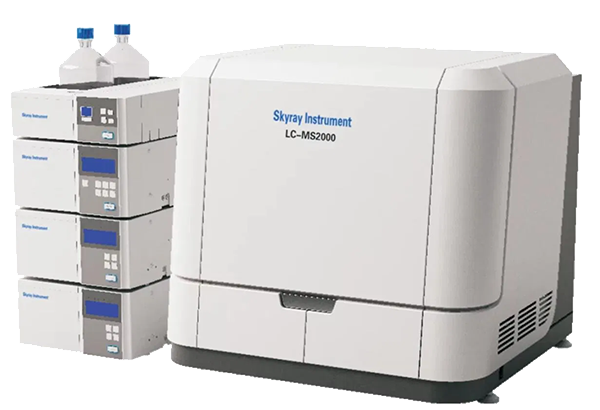
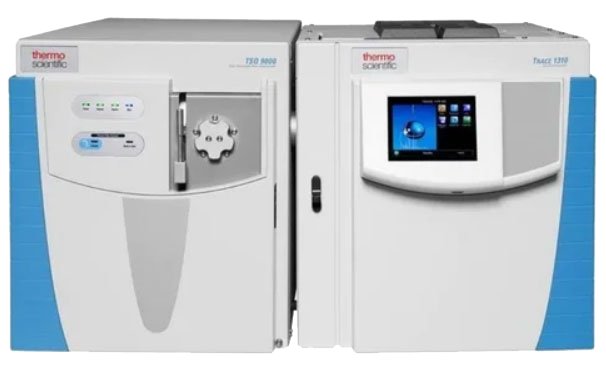
Gas Chromatography-Mass Spectrometry (GC-MS)
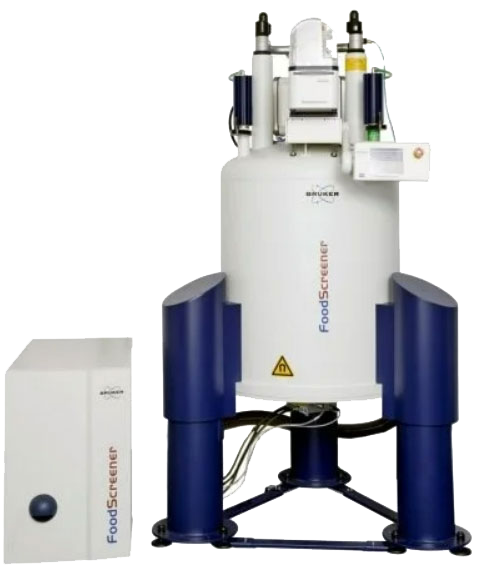
Nuclear Magnetic Resonance (NMR) Spectroscopy
| Requirement | Guidelines |
| Sample Type | Fresh or flash-frozen plant tissue (leaves, roots, stems, seeds, fruit). Avoid using desiccated or degraded material. |
| Quantity | For most plant species, at least 0.5-2 g of tissue (wet weight) is required per biological replicate. |
| Replicates | At least three biological replicates per experimental condition are strongly recommended. |
| Pre-treatment | Remove excess soil or debris; avoid the use of chemical preservatives. |
| Storage & Transport | Snap-freeze in liquid nitrogen after harvest; store at -80°C and ship on dry ice. Avoid repeated freeze-thaw cycles. |

Comprehensive Metabolite Coverage
Capture primary, secondary, and lipid metabolites on a single platform.

High Sensitivity and Accuracy
Advanced LC-MS/MS and GC-MS instrumentation ensures precise quantification.

Customizable Workflows
Tailored workflows for targeted, untargeted or widely-targeted studies.

Integrated Insights
Combine metabolomics with proteomics or transcriptomicsfor a systems-level perspective.
Ready to advance your plant metabolomics research?
Contact Lifeasible for a free consultation, a custom quote, or to discuss your project with our technical experts.
Metabolomics is the large-scale study of small molecules (metabolites) within cells, tissues, or organisms. It reflects the end products of gene expression and enzyme activity, providing a real-time view of physiological and biochemical states. In plants, metabolomics connects genotype and phenotype, enabling insights into metabolic regulation and adaptation mechanisms.
Plants produce a diverse array of metabolites involved in growth, defense, and communication. Metabolomics helps decipher these processes, from identifying drought-response metabolites to revealing key regulatory nodes in hormone signaling or nutrient uptake. These insights can guide breeding strategies and crop engineering to improve crop stress tolerance and yield.
Metabolomics, when combined with genomics, transcriptomics, or proteomics, forms a powerful systems biology framework. This integration enables researchers to link gene expression with metabolic outcomes, elucidating the complex networks that underlie stress responses, yield, and quality traits.
Untargeted metabolomics broadly analyzes all detectable metabolites and is well-suited for discovery research. Targeted metabolomics focuses on the precise quantification of specific known compounds for hypothesis testing or validation.
Yes. We have extensive reference library covering both model and non-model plant species, enabling reliable identification of a wide range of metabolite classes.
Turnaround time depends on complexity, but most projects are completed within 4-6 weeks after sample receipt.
We follow rigorous quality control protocols, including system suitability testing, internal standard checking, and replicate consistency evaluation.
Yes, we provide comprehensive bioinformatics support, including statistical analysis, pathway mapping, and visualization, to achieve publishable results.
 Download
Enter Your Details for Immediate PDF Access
Get Latest Lifeasible News and Updates Directly to Your Inbox