Evaluating the Performance and Safety of Engineered Trees
Genetically modified (GM) trees represent a powerful platform for advancing forestry productivity, improving stress resilience, enhancing wood quality, and supporting sustainable bioenergy development. Due to their long life cycles, complex developmental patterns, and prolonged environmental exposure, GM trees require rigorous, multi-dimensional testing beyond standard crop evaluation.
Lifeasible provides end-to-end Genetically Modified Tree Testing Services, integrating molecular characterization, phenotypic assessment, biosafety evaluation, and environmental interaction studies. Our services support academic research, industrial R&D, and pre-commercial development of genetically modified trees under controlled and field-relevant conditions.
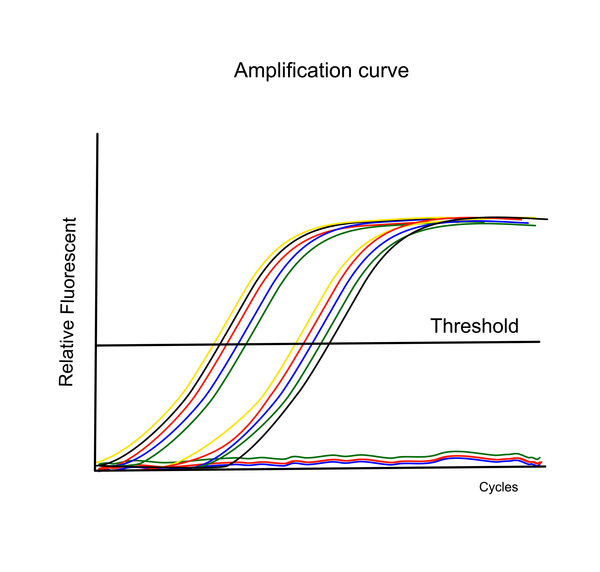
Molecular validation is the foundation of GM tree testing. We conduct comprehensive molecular analyses to confirm successful genetic modification and ensure transgene integrity throughout development.
GM trees are evaluated across multiple developmental stages to assess morphological stability and growth performance under controlled or semi-controlled conditions.

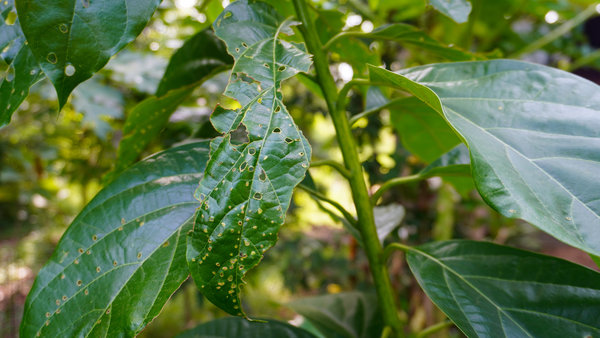
We provide targeted functional assessments based on the intended trait of genetic modification.
Given their longevity, GM trees require careful evaluation of environmental interactions and ecological compatibility.


We assess long-term genetic and phenotypic stability to ensure consistent trait expression and biosafety compliance.
For advanced development programs, we offer extended testing options.

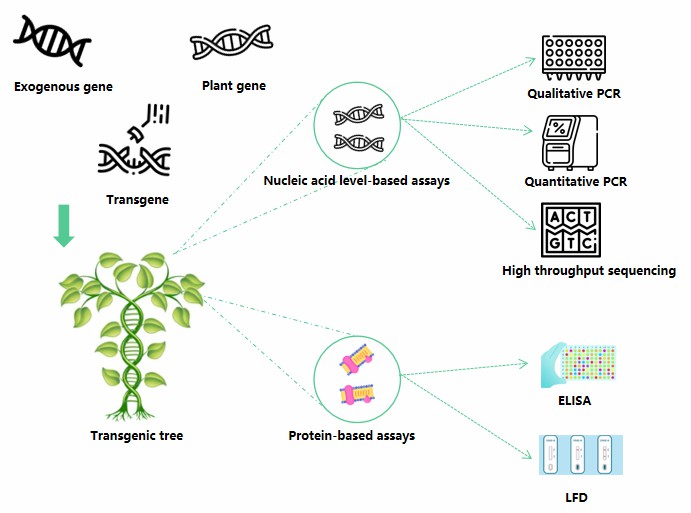
Our Genetically Modified Tree Testing Service integrates multiple validated analytical technologies to comprehensively assess transgene presence, integrity, expression, and stability across different biological levels. By combining these complementary technologies, we deliver robust, multi-layered testing data to support research validation, biosafety assessment, and downstream application of genetically modified trees.

Qualitative PCR is used for rapid screening and confirmation of target genetic elements, providing a reliable first step for identifying genetically modified events.
Quantitative PCR (qPCR) enables precise quantification of transgene copy number and relative abundance, supporting stability evaluation and compliance with regulatory documentation requirements.
High-Throughput Sequencing (NGS) provides sequence-level resolution for insertion site analysis, transgene structure verification, and detection of unintended genomic alterations, ensuring in-depth molecular characterization.
ELISA is applied to verify the expression of transgene-encoded proteins, linking genetic modification to functional protein output.
Lateral Flow Detection (LFD) offers a rapid and user-friendly approach for preliminary or on-site screening, particularly useful during early-stage validation or field-related workflows.
Each GM tree testing project follows a structured, quality-controlled workflow:

Project Consultation & Experimental Design

Sample Collection or Tree Establishment

Molecular and Phenotypic Testing

Environmental and Biosafety Assessments

Data Integration & Final Reporting
Specific sample requirements may vary depending on project design and regulatory objectives.
| Sample Type | Description | Quantity | Storage & Shipping Notes |
| Leaf Tissue | Fresh or frozen young leaves suitable for molecular and expression analysis | ≥ 2 g | Ship on dry ice or ice packs; avoid repeated freeze–thaw cycles |
| Stem / Wood Tissue | Actively growing stem or xylem tissue for transgene integration and stability analysis | ≥ 2 g | Keep cool; process within recommended time frame |
| Seedlings / Plantlets | Whole genetically modified tree seedlings or in vitro plantlets | 3–5 individuals | Ship in sterile containers with moisture control |
| DNA Samples | Purified genomic DNA extracted from GM trees | ≥ 10 μg | Store and ship at -20 °C |
| RNA Samples (Optional) | High-quality total RNA for expression analysis | ≥ 5 μg | Ship on dry ice; RIN ≥ 7 recommended |

Comprehensive Evaluation Framework
We provide an integrated testing workflow that combines molecular characterization, expression analysis, and stability assessment to ensure reliable and reproducible evaluation of genetically modified trees.

Expertise in Woody Plant Systems
Our team has extensive experience working with tree species and perennial plants, enabling us to address the unique biological and technical challenges associated with long life cycles and complex tissues.

Regulatory-Oriented Data Output
All analyses are designed to generate clear, well-documented results that can support regulatory review, academic publication, and downstream field trial applications.

Customized Project Design
Each project is tailored to your specific tree species, modification strategy, and research goals, ensuring that testing outputs are both relevant and actionable.
Ready to advance your genetically modified tree research or development program?
Contact Lifeasible to discuss your project objectives, receive expert guidance, and obtain a customized GM tree testing plan.
Genetically modified (GM) trees are woody plant species whose genetic material has been deliberately altered using modern biotechnology techniques such as Agrobacterium-mediated transformation, particle bombardment, or genome editing. These modifications are introduced to enhance or modify specific traits, including growth rate, wood quality, stress tolerance, pest resistance, and environmental adaptability.
Unlike annual crops, trees have long life cycles and complex developmental processes, which makes genetic modification both more challenging and more impactful. As a result, GM trees are increasingly studied for applications in forestry, bioenergy production, environmental remediation, and sustainable materials development.
With growing global demand for timber, biomass, and renewable resources, traditional breeding approaches are often too slow to meet industrial and environmental needs. Genetically modified trees offer a powerful solution by enabling precise and targeted trait improvement that would otherwise take decades through conventional breeding.
GM trees also play a significant role in addressing global challenges such as climate change, land degradation, and carbon sequestration. Traits such as enhanced carbon fixation, reduced lignin content, or improved tolerance to drought and salinity can significantly improve the sustainability and productivity of forest ecosystems.
Due to their long lifespan and ecological impact, genetically modified trees require more comprehensive testing than herbaceous plants. Regulatory authorities and research institutions emphasize the importance of molecular characterization, transgene stability assessment, and environmental risk evaluation before field trials or commercialization.
Testing services ensure that inserted genetic elements are stable, heritable, and expressed as intended across developmental stages. They also help identify unintended effects, such as off-target insertions or unexpected expression patterns, which is critical for both scientific validation and regulatory compliance.
Genetically modified tree testing is widely applied in functional genomics, trait validation, biosafety assessment, and pre-commercial development. By combining molecular, phenotypic, and expression-level analyses, researchers can confidently advance promising GM tree lines from the laboratory to controlled field environments.
These evaluations provide essential data to support scientific publications, regulatory submissions, and long-term breeding or deployment strategies.
Our service supports the evaluation of a wide range of genetic modifications, including transgene insertions, gene silencing constructs, and genome-edited events introduced through CRISPR or other advanced technologies.
Yes, we offer testing strategies designed to assess transgene stability and expression consistency across different developmental stages and tissue types in long-lived tree species.
The data generated from our testing workflows are structured to meet common regulatory and biosafety documentation requirements, making them suitable for pre-field trial or approval-related use.
We support a broad range of tree species, including well-studied model systems and non-model or emerging species used in forestry, bioenergy, and environmental research.
We support forest, fruit, bioenergy, and ornamental tree species.
Timelines vary depending on growth rate, traits tested, and long-term study requirements.
We support greenhouse, growth chamber, and controlled field-relevant evaluations where permitted.
Absolutely. Each project is tailored to your species, trait, and research goals.
 Download
Enter Your Details for Immediate PDF Access
Get Latest Lifeasible News and Updates Directly to Your Inbox


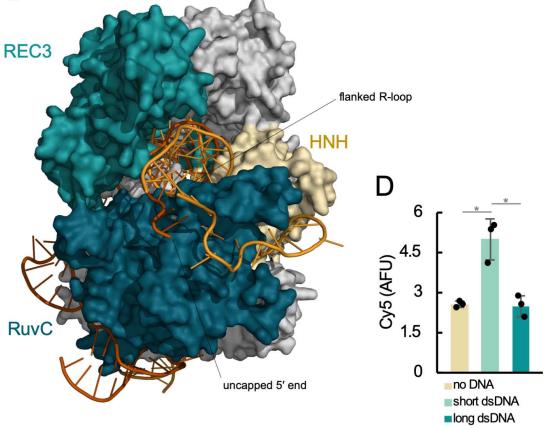
Structural Factors Affecting CRISPR-Cas9 Trans-Cleavage Activity
February 9, 2026
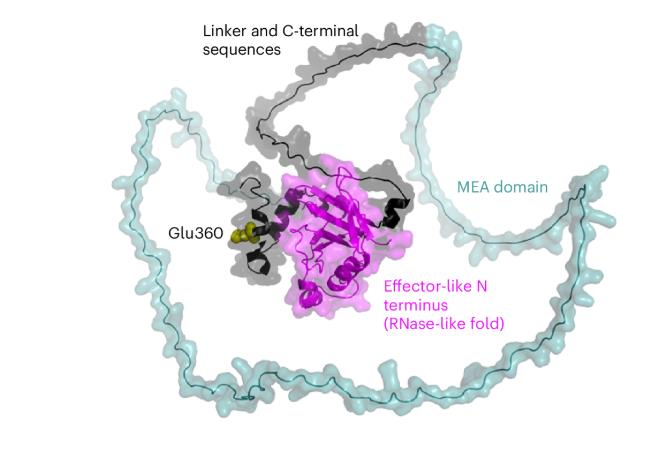
The Dual Identity of Wheat Powdery Mildew Effector Proteins
February 3, 2026