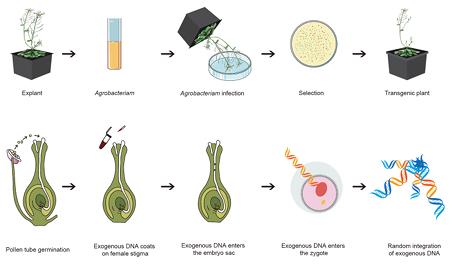
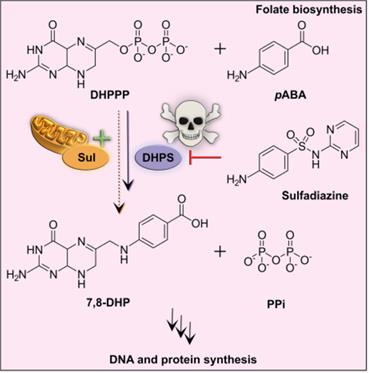
To understand the significance of this achievement, it's essential to appreciate the obstacles that have long plagued plant genome editing. Traditional approaches typically follow a well-worn path: researchers use Agrobacterium-mediated transformation to deliver CRISPR components into plant cells, select transformed cells using antibiotic markers, and then regenerate whole plants through tissue culture. This workflow, while effective for some model species, suffers from several critical limitations.
First, tissue culture is a notoriously inefficient and time-consuming process. It requires sterile conditions, specialized media, and often takes months to produce a single regenerated plant. For many commercially important crops — particularly those with complex genomes or recalcitrant genotypes — regeneration rates can be extremely low, making large-scale editing projects impractical.
Second, the reliance on transgenic intermediates creates significant regulatory challenges. Even when the final edited plant contains no foreign DNA, the use of transgenic selection markers during the editing process can trigger GMO regulations in many countries. This adds layers of complexity and expense to the commercialization process, slowing the translation of research discoveries into tangible agricultural benefits.
Third, many plant species simply cannot be transformed using conventional methods. This includes numerous minor crops, specialty varieties, and wild relatives that could provide valuable genetic resources for crop improvement but remain inaccessible to genome editing tools.
Liu and colleagues addressed these challenges by combining two innovative technologies: viral vectors and compact RNA-guided nucleases. Their approach centers on the tobacco rattle virus (TRV), a versatile plant virus known for its ability to infect a wide range of species and spread systemically through plant tissues.
The key insight was recognizing that TRV's limited cargo capacity — a constraint that has hindered previous viral editing attempts — could be overcome by using a smaller nuclease. Instead of the commonly used SpCas9 (1,368 amino acids), the researchers opted for ISYmu1 TnpB, a compact RNA-guided enzyme derived from the ISYmu1 transposon. At approximately 700 amino acids, TnpB is less than half the size of SpCas9, making it ideal for viral delivery.
But size alone wasn't enough. To ensure the editing reagents reached the plant's germline cells — a critical requirement for heritable edits — the team incorporated a mobility element. They fused the guide RNA (gRNA) with a truncated version of the tomato FT (Flowering Locus T) protein, designated mSlFT. This modification enabled the gRNA to move through the plant's vascular system and reach the apical and axillary meristems where reproductive cells are formed.
The final piece of the puzzle was an in-planta regeneration strategy. Rather than relying on tissue culture, the researchers simply removed the shoot apical meristem after viral infection, triggering the growth of new shoots from latent axillary buds. These buds, already infected by the virus and containing the editing reagents, developed into mature plants carrying the desired genetic modifications.
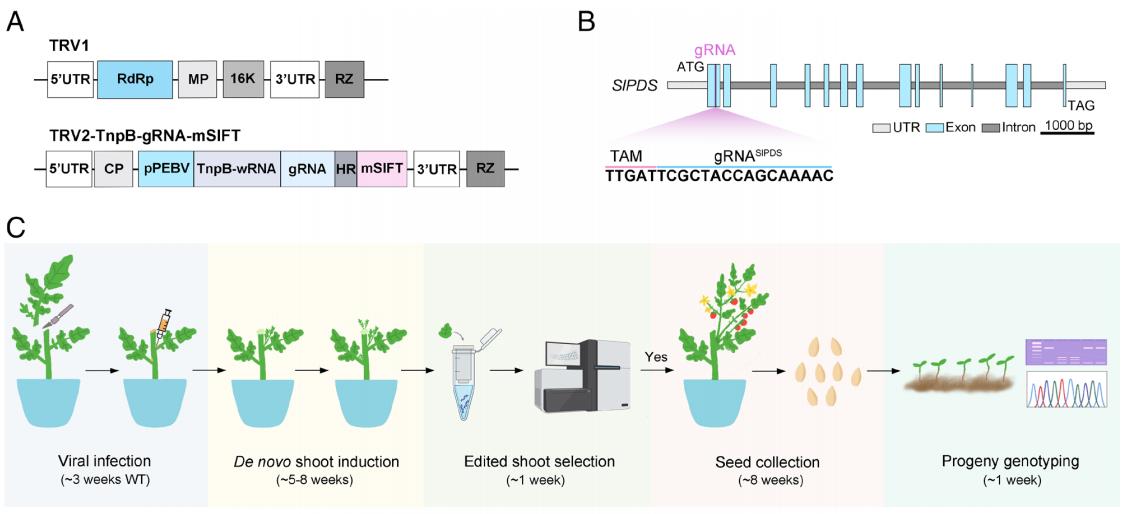
Figure 1. Schematic representation of the TRV-ISYmu1 TnpB genome editing system for transgene- and tissue culture-free heritable genome editing in tomato. (Liu, et al. 2026)
The researchers validated their system using two well-characterized tomato genes, demonstrating both the efficiency and versatility of the approach.
First, they targeted the phytoene desaturase gene (SlPDS), a standard visual marker in plant biology. Disruption of SlPDS blocks carotenoid synthesis, resulting in a distinctive photobleaching phenotype. The team found that 15% of infected plants showed somatic editing, with indel frequencies ranging from 0.8% to 6.93% in systemically infected leaves. Most importantly, they successfully recovered homozygous SlPDS knockout seeds in the first generation, confirming efficient germline transmission.
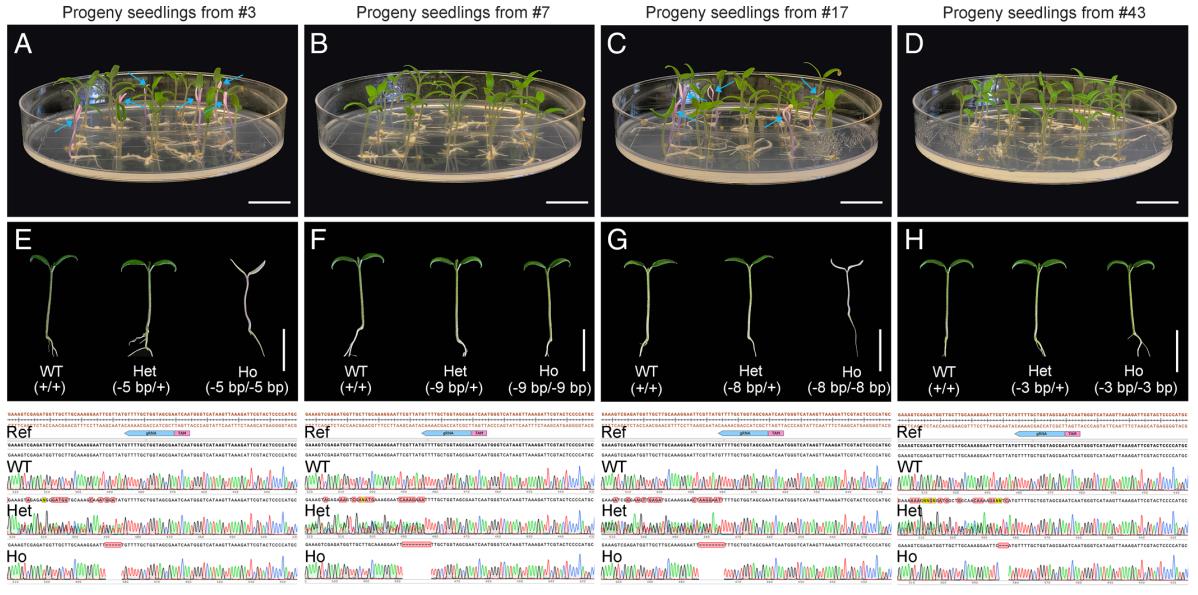
Figure 2. TRV-mediated somatic and germline SlPDS editing in tomato, showing photobleaching phenotypes and transgene-free progeny. (Liu, et al. 2026)
Encouraged by these results, the researchers turned their attention to a gene with direct agricultural relevance: SlDA1. This gene encodes a ubiquitin receptor that regulates organ size, and mutations in its Arabidopsis ortholog are known to produce larger organs. Using their TRV-TnpB system, the team generated transgene-free SlDA1 knockout plants with significantly larger fruits — a clear demonstration of the technology's potential for crop improvement.
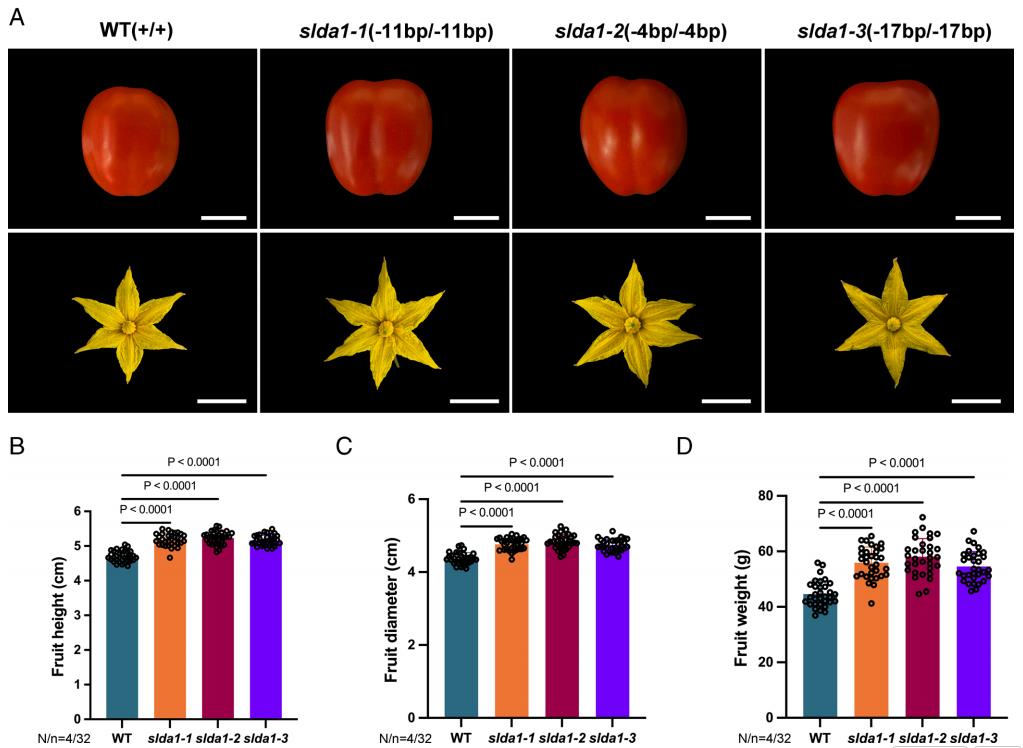
Figure 3. TRV-mediated SlDA1 editing and fruit size analysis. (Liu, et al. 2026)
The advantages of this new approach become clear when compared with conventional genome editing methods:
While the initial results are promising, several questions remain to be addressed. For example, the current somatic editing rate of 15% could potentially be improved through further optimization of the viral vector or editing reagents. The researchers also note that the system's performance in other crop species — particularly those outside the Solanaceae family — remains to be tested.
Another area of interest is the mechanism underlying the enhanced gRNA mobility provided by the mSlFT fusion. Understanding this process could lead to further improvements in delivery efficiency and the development of novel mobility-enhancing strategies.
Looking ahead, the TRV-TnpB system opens exciting new possibilities for plant biotechnology. Researchers can now rapidly generate loss-of-function mutants for gene functional analysis, breeders can introduce beneficial traits into elite cultivars in a single generation, and previously inaccessible crops can now be targeted for genome editing.
The implications of this breakthrough extend far beyond the laboratory. In a world facing unprecedented challenges from climate change, population growth, and emerging pests and diseases, the ability to rapidly and efficiently improve crop traits is more important than ever.
Traditional breeding methods, while effective, are slow and limited by the genetic diversity available within breeding populations. Genome editing offers a way to precisely introduce beneficial traits, but its application has been constrained by technical limitations. The TRV-TnpB system removes these constraints, enabling researchers to:
Moreover, by simplifying the editing process and reducing costs, this technology could democratize access to genome editing tools, empowering researchers and breeders in developing countries to address local agricultural challenges.
The development of the TRV-TnpB viral delivery system represents a significant milestone in plant biotechnology. By combining the precision of CRISPR editing with the efficiency of viral delivery, Liu and colleagues have created a tool that addresses two of the most persistent challenges in plant genome editing: the need for tissue culture and the requirement for transgenic intermediates.
This breakthrough not only accelerates the pace of crop improvement but also expands the range of species that can be edited, opening new possibilities for sustainable agriculture and food security. As the technology continues to evolve and improve, it has the potential to transform the way we approach plant breeding and address the pressing challenges facing global agriculture.
For researchers and breeders looking to harness the power of genome editing, this development offers a practical and efficient path forward. Whether you're working on plant genetic modification, gene functional analysis, or crop improvement, the TRV-TnpB system provides a versatile tool that can help you achieve your goals faster and more efficiently than ever before.
Get Latest Lifeasible News and Updates Directly to Your Inbox