Angiosperm seeds are marvels of biological engineering. Each seed contains three tissues with distinct genetic backgrounds that must work in perfect harmony:
This triple fusion process, unique to angiosperms, requires precise coordination between genetically distinct tissues. Disruptions in this coordination can lead to seed abortion or abnormal development. Understanding these mechanisms is crucial not only for basic plant biology but also for applications in crop breeding and seed production.
Traditional bulk RNA sequencing approaches have been limited in their ability to resolve tissue-specific gene expression patterns. By analyzing whole seeds, researchers could only obtain average expression levels across all cell types, masking the subtle but critical differences between tissues. This is analogous to trying to understand a symphony by listening to all instruments playing simultaneously without being able to distinguish individual parts.
The research team overcame these limitations by employing single-nucleus RNA sequencing (snRNA-seq), a cutting-edge technique that allows profiling of gene expression at single-cell resolution. They analyzed seeds at three critical developmental stages: 3, 5, and 7 days after pollination.
This approach provided several key advantages:
The result is a comprehensive transcriptional atlas that maps gene expression across all cell types and developmental stages, providing an unprecedented view of seed development at the molecular level. This resource will be invaluable for researchers studying seed biology and for those developing new tools for functional genomics analysis.
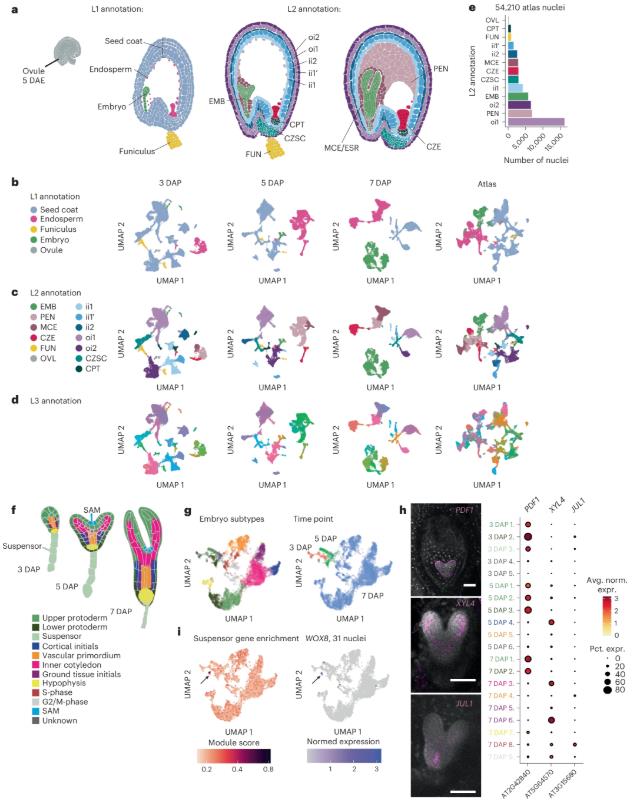
Figure 1. A transcriptional atlas of early Arabidopsis seed development. (Martin, et al. 2026)
One of the most striking discoveries was the compartmentalized regulation of brassinosteroid (BR) signaling across seed tissues. BRs are essential plant hormones that regulate a wide range of developmental processes, including cell elongation, division, and differentiation.
The study found that BR-responsive transcription factor genes exhibit distinct spatial expression patterns. Specifically, different sets of BR target genes are activated in different tissues or cell types, suggesting that BR signaling is "compartmentalized" within the seed. This means that the same hormone can trigger different responses depending on which tissue it acts upon.
This compartmentalization likely plays a key role in coordinating the development of different seed tissues. By activating tissue-specific gene sets, BRs could orchestrate the complex interactions between the embryo, endosperm, and seed coat, ensuring that each tissue grows and differentiates at the right time and in the right way.
Understanding BR signaling in seeds could open new avenues for manipulating seed development. For example, fine-tuning BR responses in specific tissues might allow researchers to optimize seed size, nutrient content, or germination rate — traits that are critical for agricultural productivity. This type of targeted manipulation could be achieved through CRISPR-based genome editing.
The endosperm, often viewed primarily as a nutrient storage tissue, emerged as a potential signaling hub in seed development. The researchers identified a large number of genes encoding short, secreted peptides that are specifically expressed in the endosperm.
Secreted peptides are small proteins that are released from cells and can act as signaling molecules between cells or tissues. The enrichment of these peptides in the endosperm strongly suggests that this tissue is actively communicating with other seed tissues. This challenges the traditional view of the endosperm as a passive nutrient provider, revealing it as an active coordinator of seed development.
The discovery of these signaling peptides opens exciting possibilities for understanding inter-tissue communication in seeds. By identifying the receptors for these peptides and understanding their signaling pathways, researchers could potentially manipulate seed development for agricultural benefit. This work aligns with ongoing efforts in transcriptome analysis to uncover the roles of specific genes in complex biological processes.
The study also revealed intriguing evolutionary insights. By analyzing gene sequence divergence across species, the researchers found that rapidly evolving genes are significantly enriched in specific subtypes of the endosperm and seed coat. In contrast, embryonic genes tend to be more conserved across species.
This pattern suggests that the outer seed tissues, which interact directly with the environment and with pollinators, experience stronger selection pressures. As plants adapt to different environments, the seed coat and endosperm may evolve more rapidly to optimize seed dispersal, dormancy, and germination strategies.
This finding has important implications for understanding plant evolution and adaptation. It suggests that seed tissues have different evolutionary dynamics, with the embryo maintaining conserved developmental programs while the surrounding tissues diversify to meet environmental challenges.
Understanding the molecular mechanisms of seed development has profound implications for crop improvement. Seeds are the foundation of agriculture, and optimizing seed traits such as size, nutritional content, and germination rate could significantly enhance crop yields and food security.
Several potential applications emerge from this research:
These applications highlight the importance of basic research in plant biology for addressing real-world agricultural challenges.
This study represents a major advance in our understanding of seed development. By applying single-nucleus RNA sequencing to Arabidopsis seeds, the researchers have uncovered the intricate molecular communication networks that coordinate the growth of three genetically distinct tissues. The findings not only shed light on fundamental plant biology but also provide a roadmap for future studies aimed at improving crop seed traits.
The compartmentalized BR signaling, the identification of endosperm as a signaling hub, and the evolutionary insights into rapidly evolving genes all contribute to a more comprehensive understanding of seed development. Each discovery opens new avenues for research and application, from basic biology to agricultural innovation.
As single-cell sequencing technologies continue to advance, we can expect even deeper insights into the complex processes that shape plant development. The transcriptional atlas generated in this study will serve as a valuable resource for researchers exploring seed biology, opening new avenues for both basic and applied research.
For researchers interested in applying these findings to their own work, particularly those working with Arabidopsis thaliana or studying gene function through overexpression studies, this study provides a solid foundation for future investigations.
Get Latest Lifeasible News and Updates Directly to Your Inbox


A Supergene for Mirror-Image Flowers in Wachendorfia
July 31, 2026
Sentinel Plants Quantify Bioavailable Nitrate
July 24, 2026