Genetic transformation is the foundation of modern plant biotechnology, yet for decades it has been held back by the same two problems: genotype-specific recalcitrance and heavy dependence on tissue culture. Many elite crop varieties simply will not regenerate from callus, and the tissue-culture step that bridges a transformed cell to a whole plant is slow, labor intensive, and must be re-optimized for every genotype and species. A review in Frontiers in Plant Science surveys where the field stands and argues that a combination of plant genetic transformation methods, developmental regulators, and gene editing is finally making genotype-flexible, high-throughput workflows realistic. Rather than reporting a single result, the review consolidates a field that has changed substantially in the past five years.
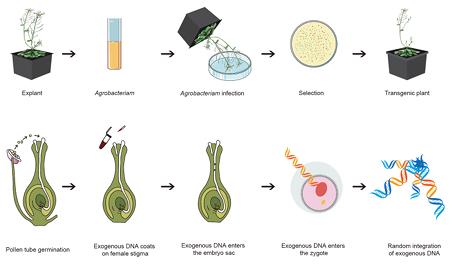
The review organizes the landscape into nine distinct routes for moving DNA into plants, ranging from the familiar to the exotic. Direct methods physically deliver DNA into plant cells and include particle bombardment, also called biolistics, along with microinjection, ultrasonication, and nanocarrier-facilitated delivery. Vector-mediated (indirect) strategies exploit the natural gene-transfer machinery of Agrobacterium tumefaciens or engineered plant viruses. The nine panels of Figure 1 span particle bombardment, Agrobacterium-mediated transformation of cultured explants, floral dip, the pollen-tube pathway, cut-dip-budding (CDB), the RAPID in planta injection system, the GiFT seedling transformation system, virus-mediated delivery, and in planta injection. Each has strengths and limits. Biolistics can reach recalcitrant genotypes but often yields complex, multicopy transgene insertions, while Agrobacterium gives cleaner T-DNA integration but depends on the host being susceptible. Seeing all nine methods side by side makes it easier to match a protocol to a species, tissue type, and end goal—no single method is universal.
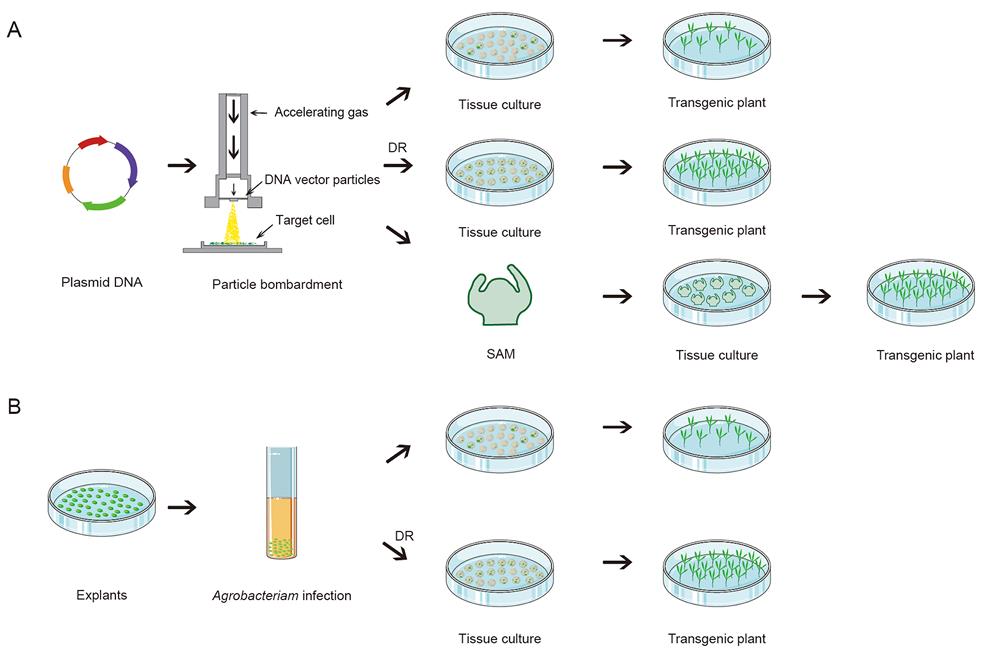
Figure 1. Traditional tissue-culture-based transformation: particle bombardment and Agrobacterium-mediated transformation of cultured explants. (Guo, et al., 2026)
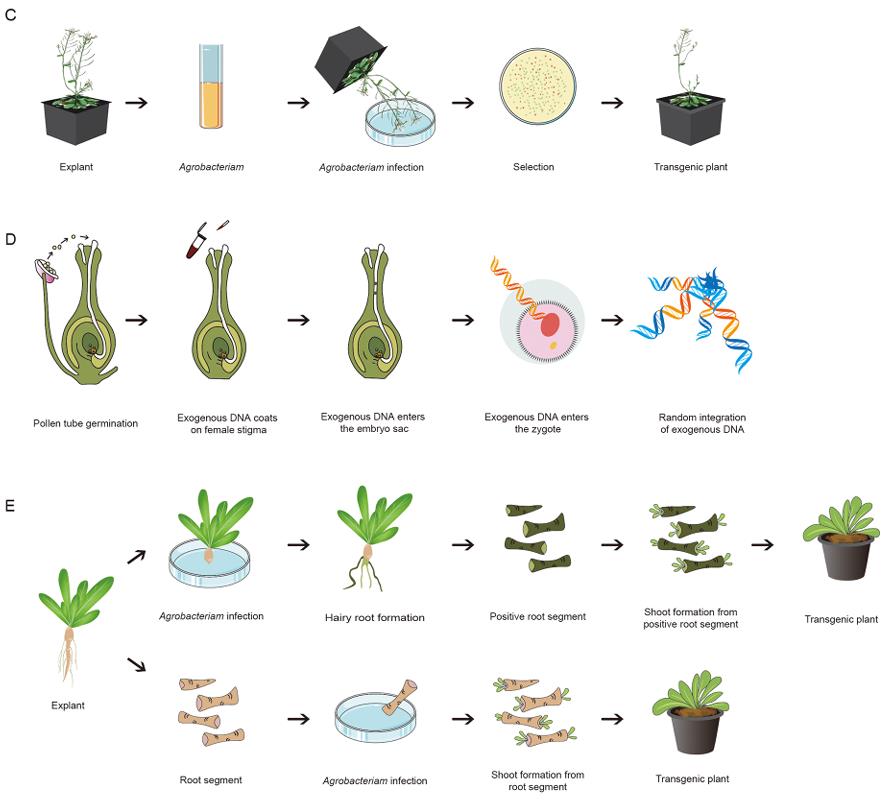
Figure 2. Tissue-culture-free delivery via floral tissues and shoot cuttings. (Guo, et al., 2026)
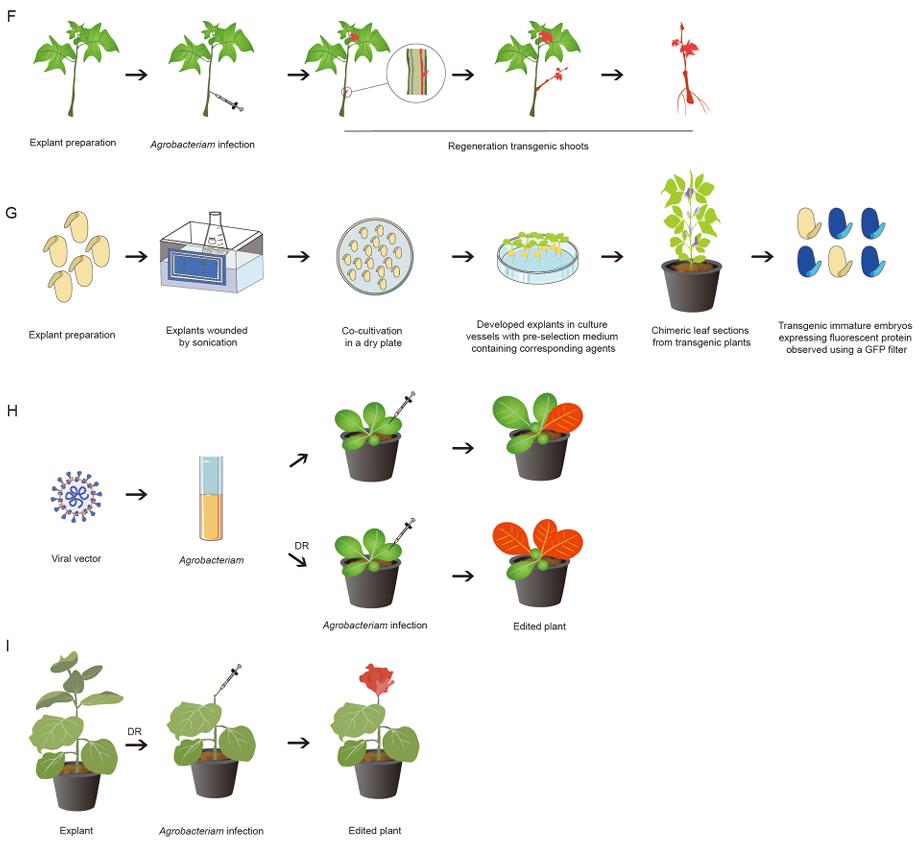
Figure 3. In planta injection, GiFT, and virus-mediated transformation systems. (Guo, et al., 2026)
A major theme of the review is the rise of methods that bypass or minimize tissue culture. Floral-based delivery, cut-dip-budding, in planta approaches, and various injection or seedling dipping strategies all harness the plant's own regenerative capacity instead of rebuilding it in vitro. By avoiding the callus stage, these routes sidestep the regeneration bottleneck that makes most elite cultivars intractable. They also tend to be faster and cheaper, and some operate under non-sterile conditions—CDB, for example, induces regenerative buds on stems without any sterile culture step. For researchers who need tissue-culture-free gene editing, these approaches are especially attractive because they can deliver CRISPR reagents directly to growing tissue and recover edited plants without a culture phase, an idea our transgene-free gene editing service also builds on.
The single most important advance enabling genotype flexibility, in the authors' reading, is the deployment of developmental regulators (DRs). Transcription factors that drive shoot formation and somatic embryogenesis, such as WUSCHEL (WUS), BABY BOOM (BBM), GRF-GIF chimeras, TaWOX5, and others, can be supplied alongside transgenes to push recalcitrant cells into a regenerative state. Where a genotype would normally refuse to make shoots, adding a DR often restores competency, raising both regeneration and transformation efficiency. Some of these regulators are functionally conserved across species—TaLAX1 orthologs improve regeneration in maize and soybean, and PLT5 works in species from snapdragon to rapeseed—but the review stresses that their performance remains highly context-dependent across genetic backgrounds, so they are a broadly applicable lever, not a universal fix. The review also sounds a necessary caution: constitutive expression of DRs carries pleiotropic costs, from fasciated shoots and sterility with BBM/WUS2 to hyperplastic, reduced-size organs with GRF-GIF. Recent protocols therefore pair DRs with tissue-specific promoters, wound-inducible systems, or recombinase-based auto-excision cassettes so that regeneration is boosted transiently and the regulator is removed—or silenced—once transgenic plants are recovered.
Transformation and editing are now tightly coupled. CRISPR/Cas9 and Cas12a reagents are most often introduced through the very delivery methods the review catalogs, and once inside, they modify the genome without leaving a transgene behind when designed for transgene-free outcomes. The convergence means a lab can choose a delivery route suited to its species, add a developmental regulator to guarantee regeneration, and apply CRISPR-based genome editing to make precise changes. For trait work that needs overexpression rather than knockout, the same infrastructure supports gene overexpression, so the platform is versatile. The review stresses that genotype-flexible does not mean universal: it describes systems that work across diverse genotypes or related species, distinct from an unrealistic genotype-free ideal.
Translating these advances into breeding programs requires more than a clever protocol. It needs reliable regeneration, which is why understanding the cell biology of plant regeneration remains central, and it needs the supporting services that turn a construct into a validated plant. This is the combination our plant genetic engineering pipeline and molecular breeding support are built around: delivery, regeneration boosting, and editing in workflows designed for elite material. The review's optimistic conclusion is that the pieces, diverse delivery methods, tissue-culture-free routes, and developmental regulators, are now in place to make high-throughput, genotype-flexible transformation a routine part of crop improvement rather than an exception reserved for model varieties.
The review is careful to define its terms, and the distinctions matter. Genotype-independent describes a system that works across diverse genotypes or elite varieties of a single species without re-optimization. Genotype-flexible describes methods applicable across related species that share the relevant biology, such as the BBM and WUS regulators that behave similarly in several crops. Genotype-free, the most ambitious label, would imply a universal method for any plant, and the authors rightly treat that as aspirational rather than achieved. Holding these apart prevents overpromising: a technique that transforms ten wheat varieties is a genuine breakthrough, but it is not proof it will transform rice. The honest framing helps breeders set expectations and choose methods whose validated range matches their target species, rather than assuming one protocol fits all.
Translating the review's synthesis into routine practice still requires judgment. Tissue-culture-free methods excel at speed and simplicity but may yield fewer transgenic events than optimized culture protocols, so the choice depends on whether throughput or event quality dominates a project. Developmental regulators raise regeneration but can alter morphology, so the regulator and its dosage should match the end goal, whether quick editing or clean field lines. From an editorial standpoint, intellectual-property and regulatory status of transgenes versus transgene-free edits will also shape how any given method is deployed. These caveats do not weaken the overall outlook; they mean genotype-flexible transformation should be treated as a set of tools chosen to fit each project, not as one universal protocol. For programs ready to broaden the germplasm they can engineer, the combination of diverse delivery, culture-free routes, and regeneration control now makes that ambition realistic rather than exceptional.
Combined, these delivery methods and developmental regulators suggest that a plant's genotype will soon matter far less than it does today when planning a transformation. The remaining work is integration: connecting delivery, regeneration, and editing into validated pipelines for each major crop, and documenting which regulator combinations work where. As those pipelines spread, more breeding programs will be able to edit their own elite material rather than depending on a handful of model varieties. The review's main service is organizational: it maps the available delivery routes and identifies developmental regulators as the most promising lever for making the next recalcitrant species transformable.
The frontier of plant transformation is shifting from genotype-specific, culture-heavy protocols toward flexible, regulator-assisted, often culture-free systems. By mapping nine delivery methods and highlighting developmental regulators such as WUS, BBM, and GRF-GIF as the engines of regeneration, the review makes the path to genotype-flexible engineering concrete. For breeders and biotechnologists alike, the practical message is that elite cultivars are no longer out of reach: with the right combination of delivery, regeneration control, and plant genetic transformation expertise, more crops can be edited directly as elite varieties, without falling back on model genotypes.
Get Latest Lifeasible News and Updates Directly to Your Inbox